The right first rod depends on two things: the fish you want to catch and the water you will catch them in. Everything printed on a rod blank follows from those.
What the numbers on a rod mean
- Length, in feet. Longer rods cast further and control a float at range; shorter rods are easier among trees and on small rivers. Around 10 to 12 feet suits most float and feeder fishing; 7 to 9 feet suits lure fishing from the bank.
- Casting weight, in grams, on lure and spinning rods: the range of lure weights the rod casts well. Match it to the lures you will use.
- Test curve, in pounds, on carp and specimen rods: roughly the weight that bends the tip to a right angle. Higher test curves cast heavier leads further and handle bigger fish.
Which reel goes with which rod
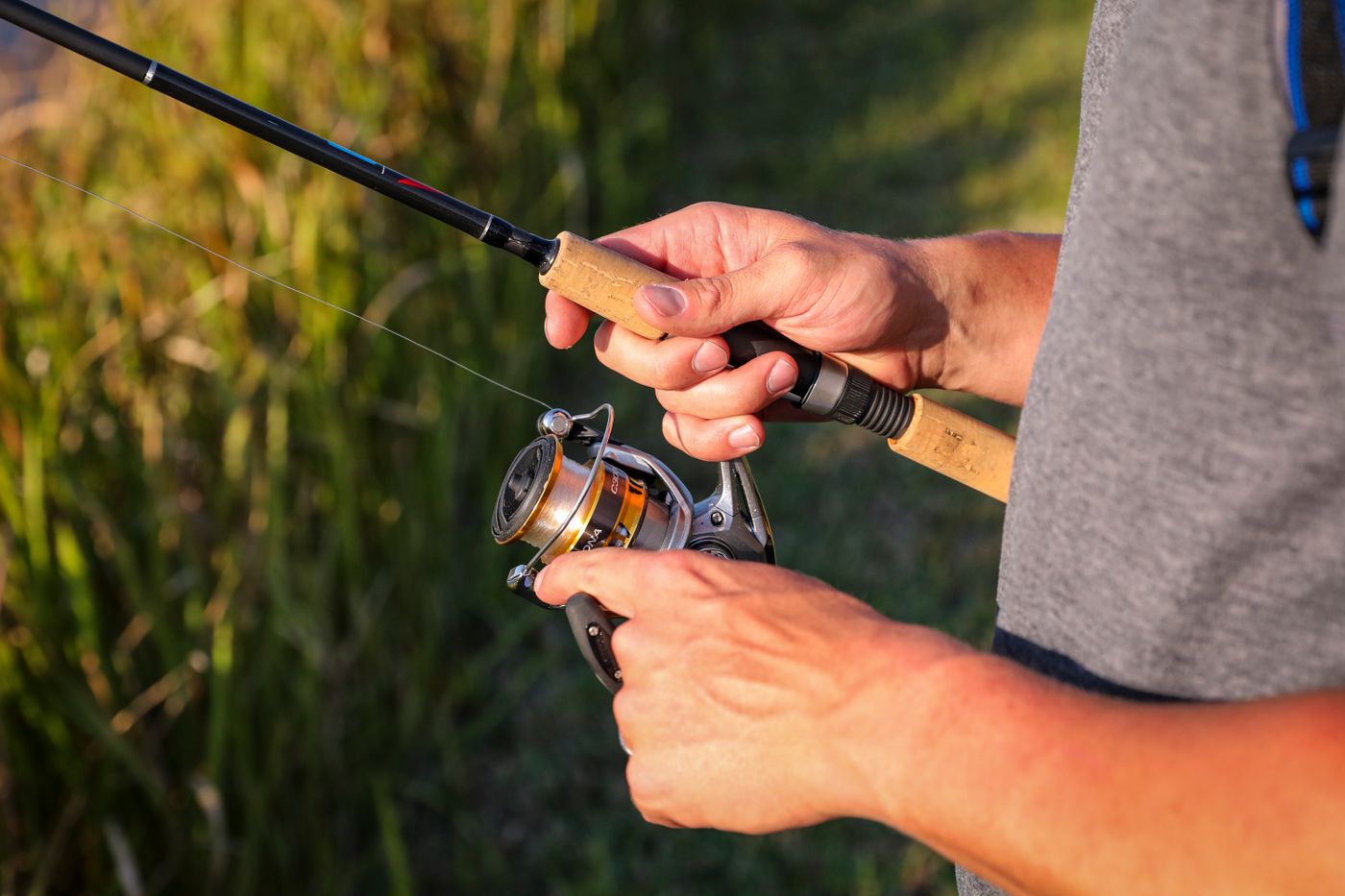
- Fixed spool (spinning) reels suit float, feeder and lure rods and are the easiest to learn.
- Baitrunner (free spool) reels let a carp take line with the bail arm closed, for fishing with rods on rests.
- Baitcasting reels sit on top of the rod and suit heavier lures once you have some practice.
- Fly reels are matched to the line weight of the fly rod.
Why a combo is a good start
A rod and reel sold together are matched in size and balance, so the reel sits comfortably and the line suits the rod. It is the simplest way to start, and the spare money goes on hooks, floats and a landing net.
A first kit list
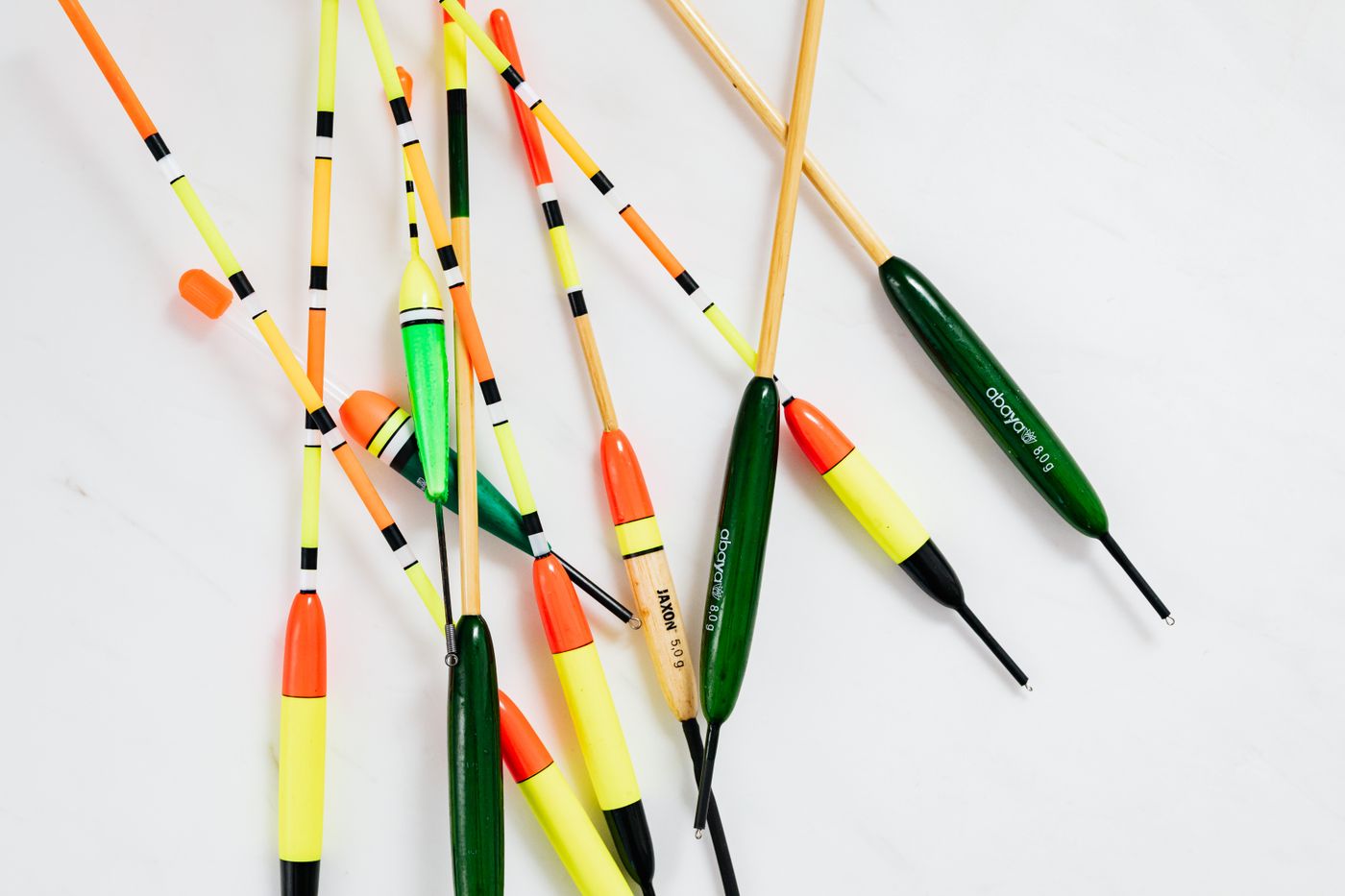
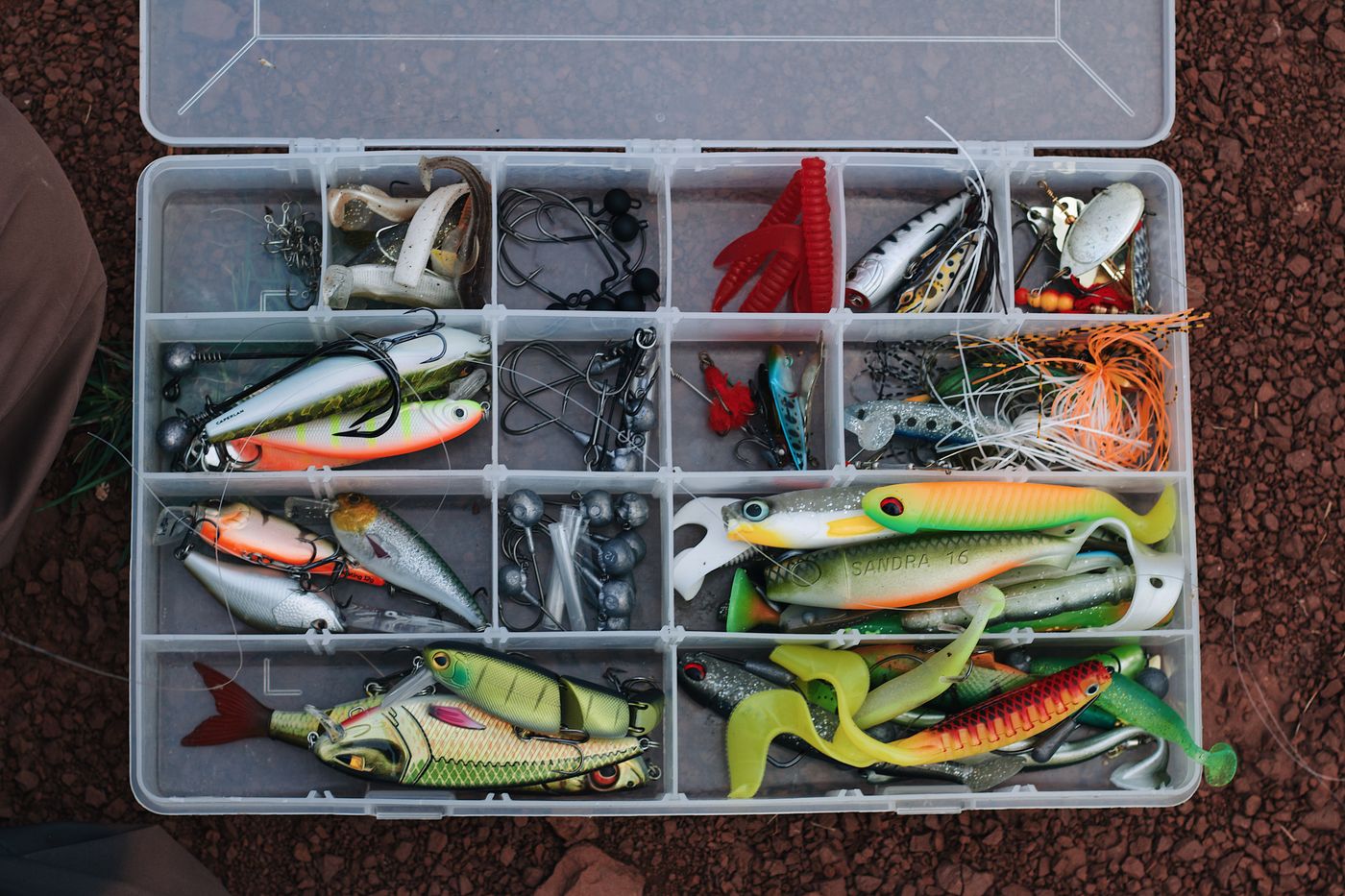
A rod and reel, line to suit, hooks, a few floats or a feeder, lead-free weights, a disgorger, a landing net and an unhooking mat. And your rod licence.